Hire a Chief Meme Officer
In case you didn't know: every Wednesday in the Supabase Discord we have Casual Wednesday, a space we've been running since the beginning of the year to hang out and talk with the Supabase community. No slides, no agenda. And it's community hosted: Andrew and Gary, moderators of the Discord, and me.
This week Mark Burggraf joined us. Mark is employee #15 at Supabase, he's been there since 2021, and a big part of what he does is work with the startups building on Supabase, helping them scale from zero users to millions. He's also been building software and startups of his own since the nineties, so we got a slice of that experience too. The hour turned into one of the best sessions we've had, and I didn't want to keep it to myself. I took notes the whole time, then went back to the recording because the stories were too good to paraphrase from memory.

Luck exists, being early is the strategy
Mark has talked to five or six hundred YC companies over the last couple of years, so when he says there's a lot of luck involved, that's not pessimism, that's sample size. Right after the luck disclaimer comes the actionable part: be ahead of the curve. His first startup was an e-commerce site in 1997, when being on the web was the whole strategy. His second launched the first month the iPhone App Store opened, and it still pays him revenue every month. OpenRouter got on Supabase early, saw the need before everyone else, and today you probably couldn't break into that space at all.
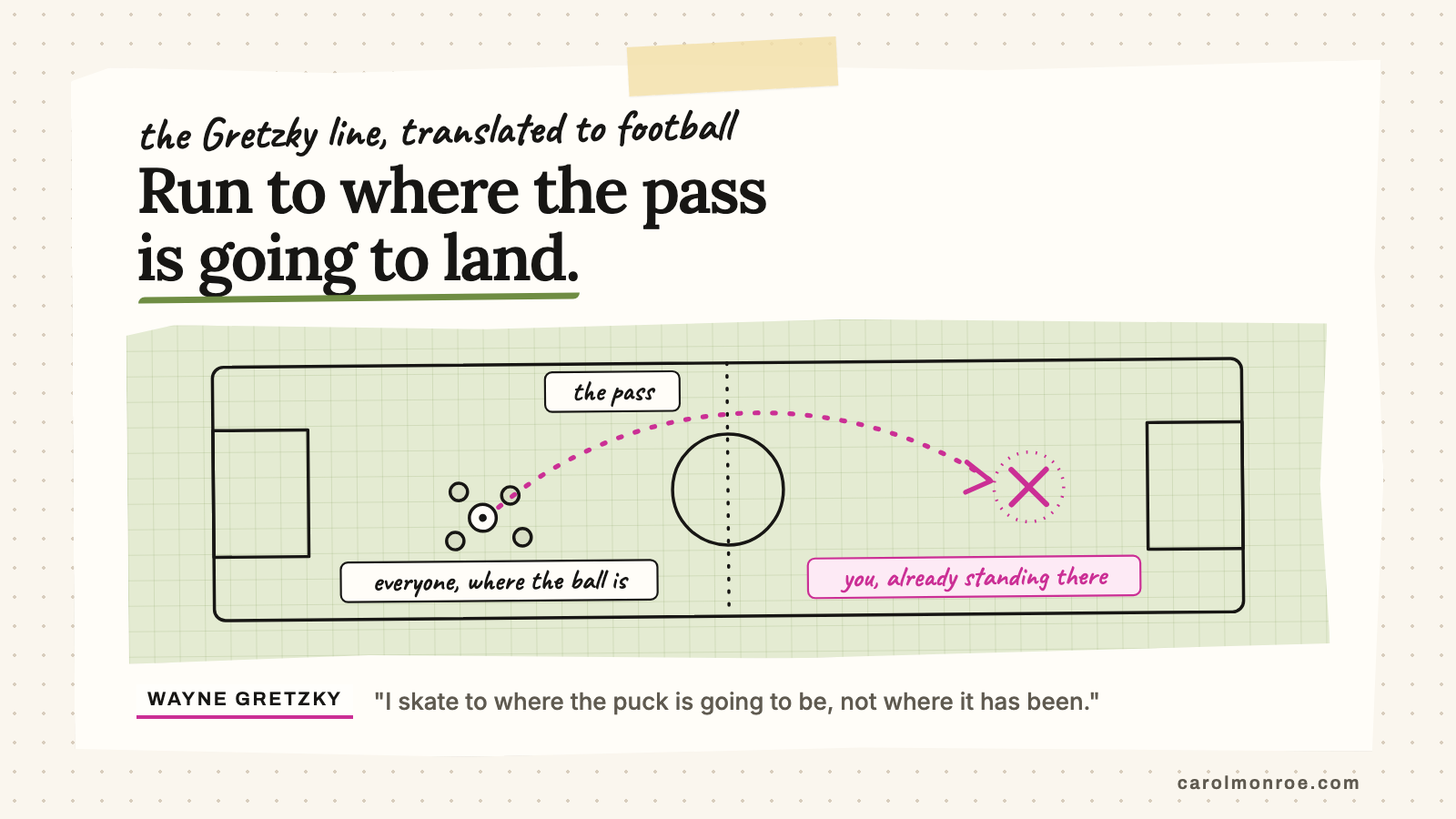
Mark brought out the Wayne Gretzky line, hockey's most famous quote and the one every startup person repeats at some point: skate to where the puck is going to be, not where it has been. Half the call had never watched a hockey game, so we translated it live into football: you don't run to the ball, you run to the spot where the pass is about to land, and you get there first. That's the whole strategy. Figure out what people will need next year that doesn't exist yet, and go stand there.
Build things people want, in that order
YC's most famous advice sounds too simple to be useful: build things people want. Mark's explanation of why it fails in practice stuck with me. Most builders do it backwards, they get an idea, build it, and then spend months trying to convince everyone to want it. Figure out what people are already asking for, build that, and build it well. The convincing takes care of itself. And if the market is already crowded, Mark keeps it to three words: better, faster, or cheaper. Pick one and make it obvious.
Solve the problems you hit yourself
In 2021 there was no way to send emails from a Supabase project, edge functions didn't exist yet. Mark needed emails, so he wrote a bundle of Postgres functions calling out to a transactional mail service, packaged it up, and shared it with the community. There was no money in it. But every developer who Googled "how do I send emails from Supabase" found him. Filling a gap you personally ran into is distribution in disguise: the need is already validated, because you needed it.
Patience, the crickets are part of the plan
Supabase grew on product-led growth. Mark's line, and I'm quoting because I loved it: "I've never spent $1 on advertising or marketing in my life." The pattern he described is one every builder should tattoo somewhere: you build a great product, you announce it to the world, and nothing happens. Crickets. You conclude you're failing. Then a couple of people find it, then a couple more, and if the product is genuinely good, word of mouth starts compounding. Panic is what makes founders change strategy every two weeks, which resets the compounding every time.
And yes, the memes
Supabase didn't run ads, they put memes out. And it's institutional: Ant Wilson, co-founder and CTO, jokes that his other hat, the CMO, stands for Chief Meme Officer. He's a real person, by the way, the call had to clarify this because someone once pictured a bunch of ants in a back room building the product. The community even has a running meme of begging him directly, "please don't pause my database, Ant", and Supabase leaned into it with an official post. That's what it looks like when meme marketing works: your users make the memes for you.
So the note I wrote in caps during the session: hire your own Chief Meme Officer. Attention is the scarcest resource a small product has, and memes travel where ads can't reach.
The people we meet every Wednesday
Every Wednesday we hang out with the community. We get to know the projects people are building, we see all kinds of challenges, and along the way we've met some incredible people. It's the part of the week we get excited about. This week Michael, a builder who works in property management, brought two stories. His brother-in-law runs one of the biggest PRS guitar dealers in New England and sells $10,000 guitars off YouTube Shorts, made not by an agency but by a guy at the shop who's just good at it, posting consistently. And his own product: a self-management ecosystem for homeowner associations, a $20 billion niche nobody taps because nobody sees the margin. A year and a half of building, a thousand versions in his words, depressing and scary in the middle, and a first client onboarded within a month of launch.
Another builder on the call runs a production app on Supabase serving a public university with 20,000 undergrads. The room is like that.

We all have the same problem
Mark put it in one sentence: we've all got a great product, we know it's the best in the world, and nobody knows it but us. That's the game. Everything above is how you play it.
That's what Casual Wednesday is: no agenda, builders hanging out, and this week the conversation happened to run on distribution for the full hour. It happens every week in the Supabase Discord and everyone is welcome, here's next week's session. And if you've built something and want to share it, share it! Bring it to the call, or send me a DM and we'll make room for you.
Two tools I use every week, and both had a hand in this post: Granola takes the notes on your calls so you can stay in the conversation, and Wispr Flow turns talking into writing. Sorry, I like both and I use both. If you sign up through either link, it helps me a lot.
Reader margin
What stayed with you?
Leave one small mark in the margin.
Notes from readers
The margin is open. You can leave the first note.
Stuck with something like this? I fix it daily → Services