A Builder's Guide to the New Economics of AI
Kyle Poyar asked a room of about 200 people for a show of hands: who has a perfect pricing model, one where the price matches exactly the value the product delivers?
Not a single hand went up. "And that's right," he said.
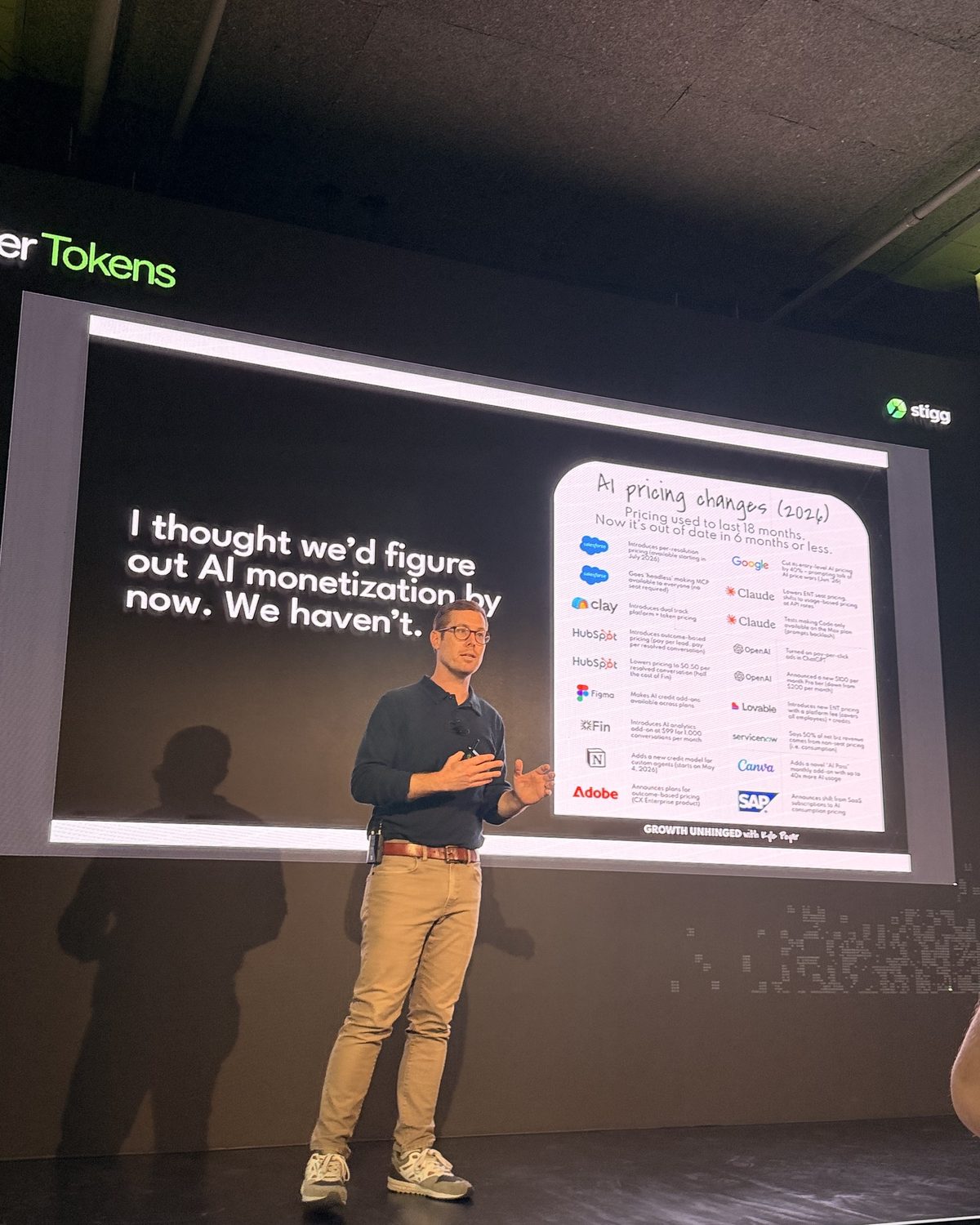
That was the mood at After Tokens, Stigg's first conference: a room full of people who build and price AI products, saying out loud that nobody has it figured out yet.
My hand would have stayed down too. I build with AI every day, and almost everything I make has an AI bill inside it: the tokens I spend building it, the ones my agents spend, and the ones my users spend once it's live.
Pricing all of that is a math game. Until now, I've mostly played it by watching what competitors charge and what I spend myself, then building a pretty traditional pricing strategy on top.
I spent the whole day at After Tokens, covering it live with Stigg's team, one session after another. It was a lot, in the best way, and there's no way to fit all of it here. So I'm leaving you the points that stayed with me, from three views.
The first is the spender's, the bill that comes with every prompt. The second is the builder's, where I decide how to charge for what I make. The third is the one I see inside companies, where AI has to work for hundreds of people and one budget.
But first, a word on Stigg, the team behind the day, because what they build is exactly what everyone came to talk about.
Who is Stigg?
Stigg builds the infrastructure that decides, in real time, what each customer, user or agent can use inside an AI product. Every time someone, or someone's agent, uses an AI feature, something has to check in milliseconds whether they're allowed, how much they have left and what it costs. That's their layer, and teams like Miro, Webflow, PagerDuty and Qlik run on it.
The ground moved
The day before After Tokens, Anthropic released Claude Fable 5.2 at $8 per million input tokens, 20% cheaper than the version before it.
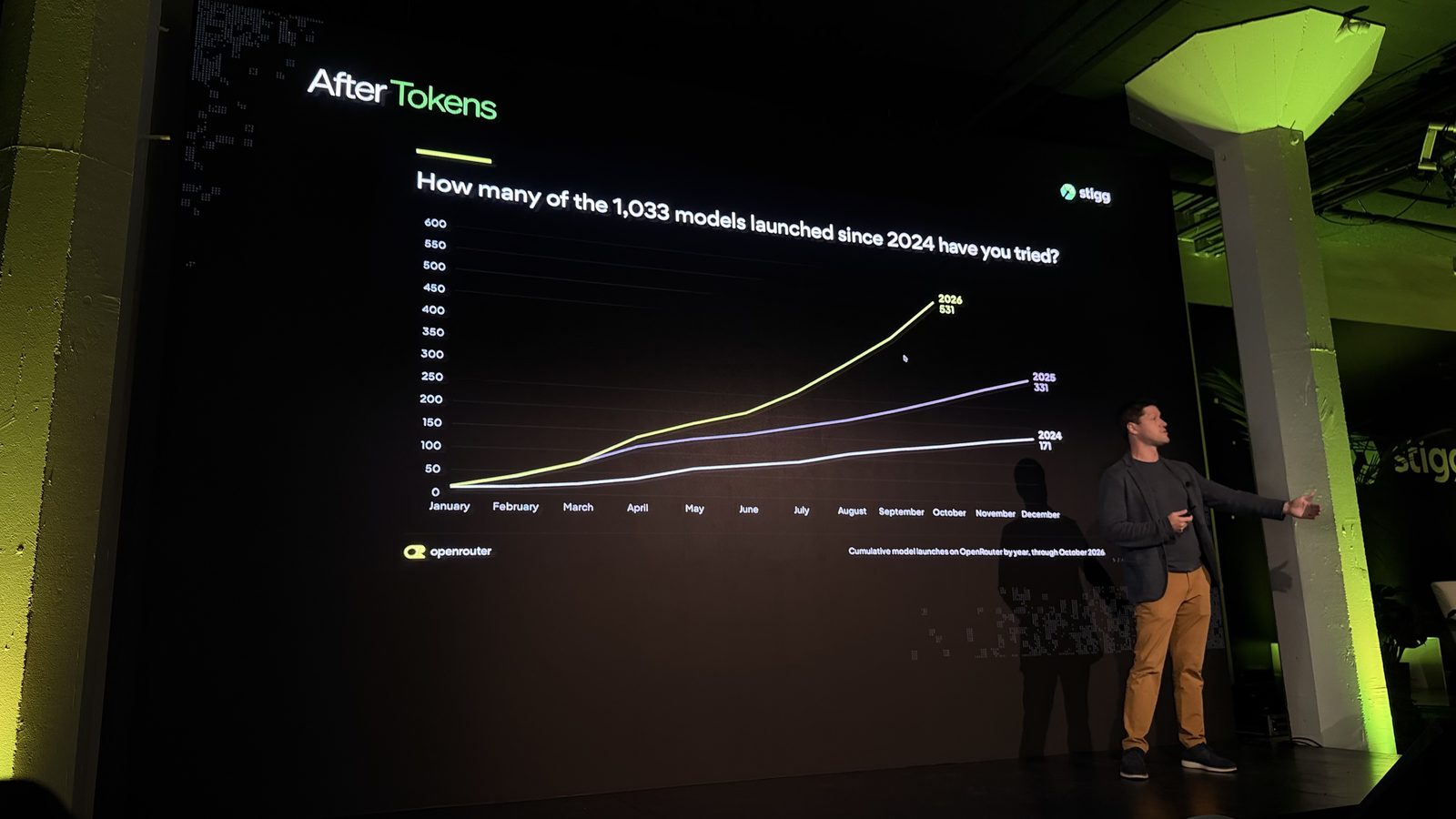
On stage, Peter Walker, Head of Insights at OpenRouter, showed their usage data. Since the start of 2024, token use is up 360x. Spend is up only 70x, because the price per token has dropped 80%. When something gets cheaper, we don't spend less. We use way more of it.
Then he put up OpenRouter's leaderboards, the rankings of the models people use the most, by tokens and by dollars. Anthropic and OpenAI have gone back and forth in spend all year. Opus 5.5 was leading the pack, and Fable 5.2 was still too new to tell. In October, 73% of the tokens OpenRouter served went to models less than 60 days old. His conclusion, one I first heard him make at SF Tech Week: "There is no such thing as a permanent home at the top of these leaderboards."
And here's the funny part. While we were all in that room talking about how AI gets paid for, OpenRouter announced it is officially part of Stripe. A payments company now owns the place where more than 10 million developers and companies pick and pay for their models. I don't think that's a coincidence.
Watching all this, I think it goes one of two ways. Either tokens get so cheap that we stop counting them, or we finally see the real numbers behind them. Dor opened the day on the second one, pointing at Anthropic's S-1 filing: "Until today, we didn't know. We didn't know the real numbers."
So the prices move, the models move, and even the companies change hands. What stays is the bill. That's where the three views start, with the person who pays it.
When you're the one spending tokens
This is the most personal one: you, your agents and your bill. It's the one I feel every day.
Watch your cache rate
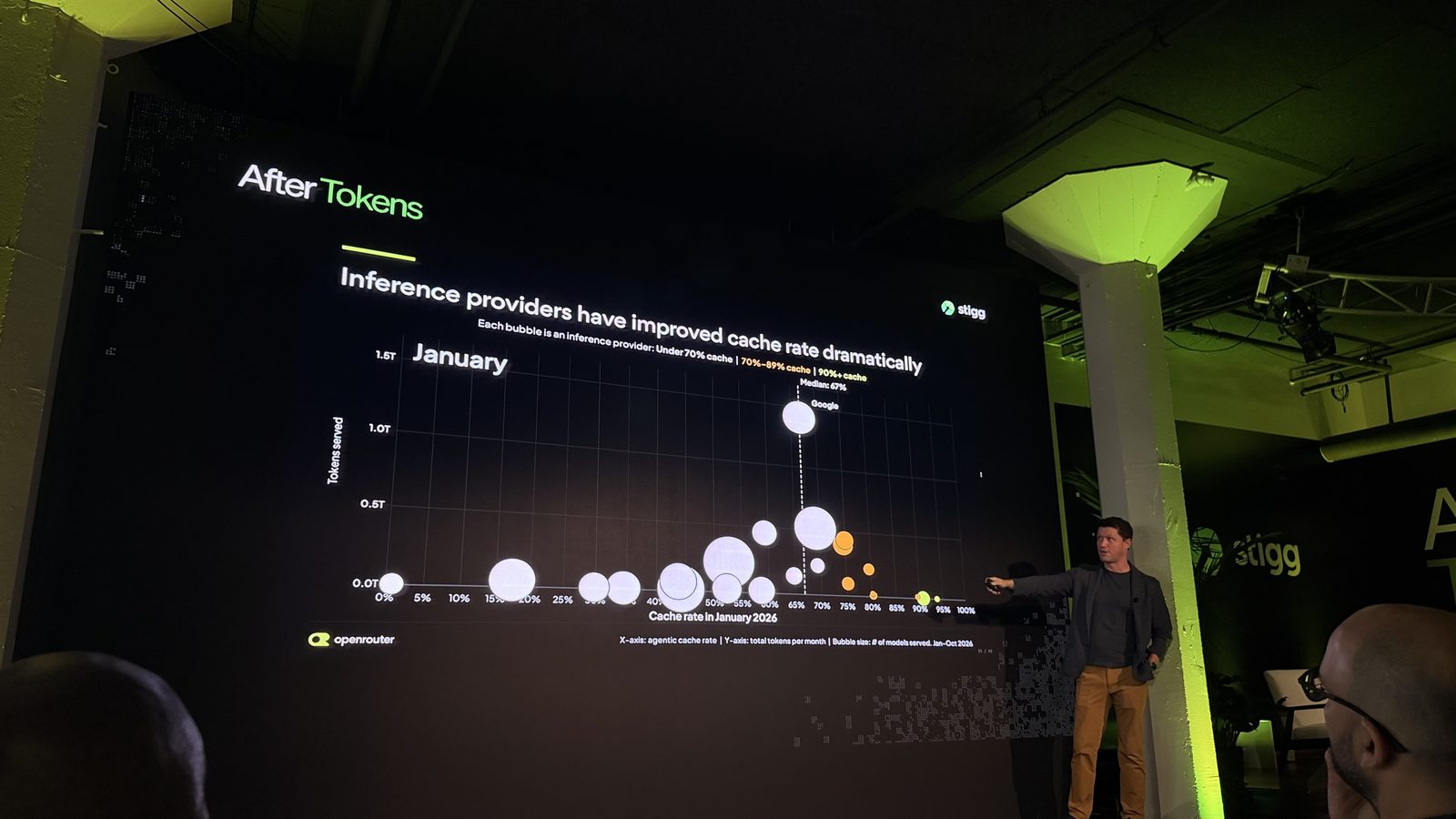
"If you are bad at caching, you are paying 5, 10, 20 times more than you should for that session."
Peter Walker, Head of Insights, OpenRouter
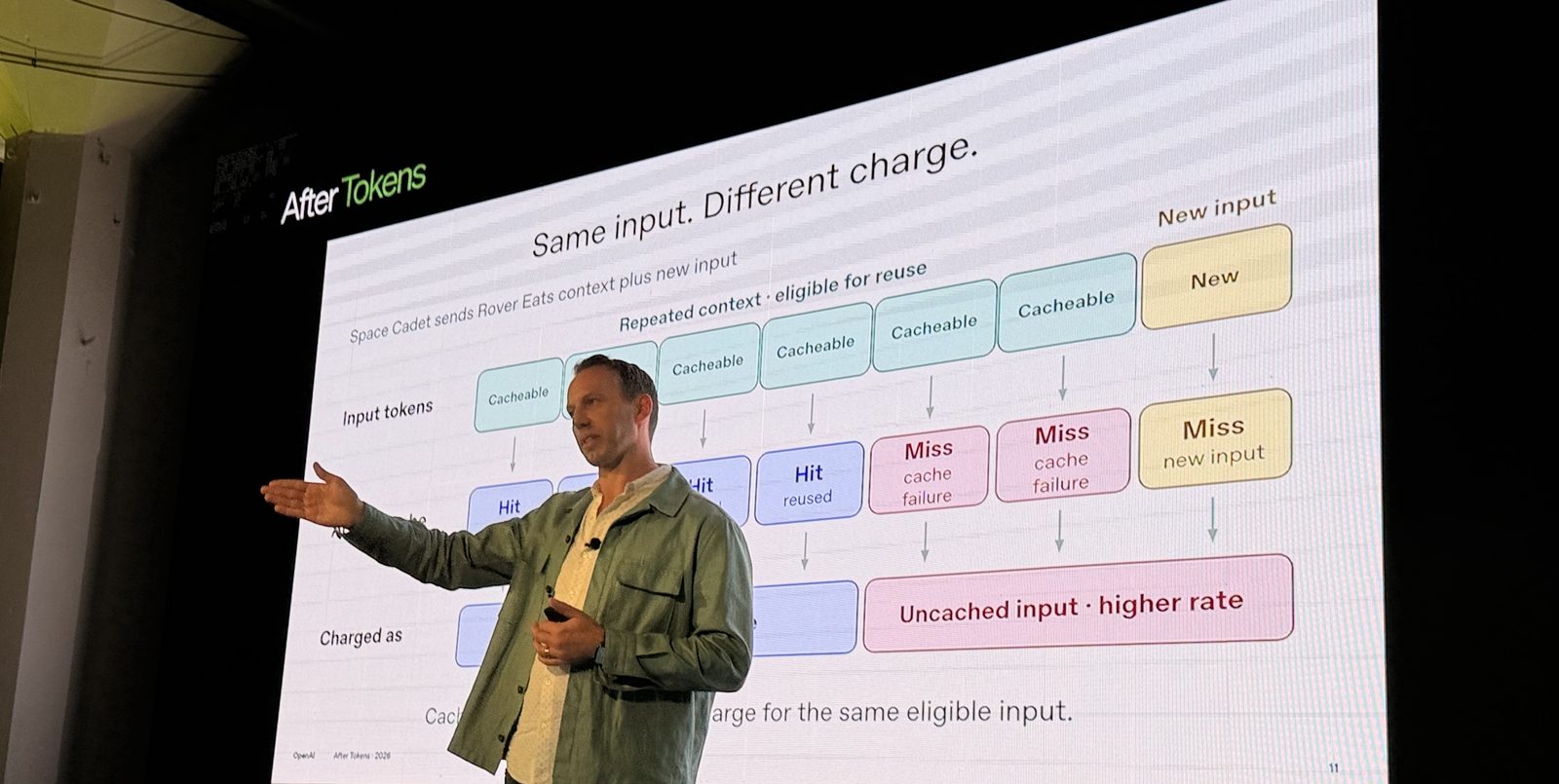
Caching means the model reuses context it already processed instead of reading it again, and cached tokens cost a fraction of new ones. Agents get about 90% of their tokens from cache, people about 30%.
Jonah Cohen of OpenAI made the room vote on it: are cache rates better at peak hours or off-peak? About two-thirds of the room got it wrong. It's peak. His point is that you don't control cache hits, so nobody should price on them: "If I was suddenly put in charge of OpenAI's revenue and Sam came to me and said, 'Jonah, I need you to double our revenue overnight,' I know exactly what I would do. I would turn off the cache." A few minutes later he closed the thought: "I should not be able to double our revenue by turning off the cache."
Set up evals before you cut tokens
"If your goal is token efficiency, that needs to be part of your evals."
Mick (Arunesh) Gupta, Director of Product, GenAI, Scale AI

Caching is the easy saving. The harder part is cutting tokens without breaking anything. Evals are how you check that the output is still good after you change something. Mick's point: put cost in them, right next to quality. If two answers cover the same points and one is half as long, the shorter one wins. His order for cutting cost: a volume discount on the model that already works, then another model in the same family, then another family from the same lab.
Give your agent a budget for each task
"The task budget must come from the customer because the customer is the only one who knows the value of this outcome."
Jonah Cohen, Tech Lead for Financial Engineering, OpenAI
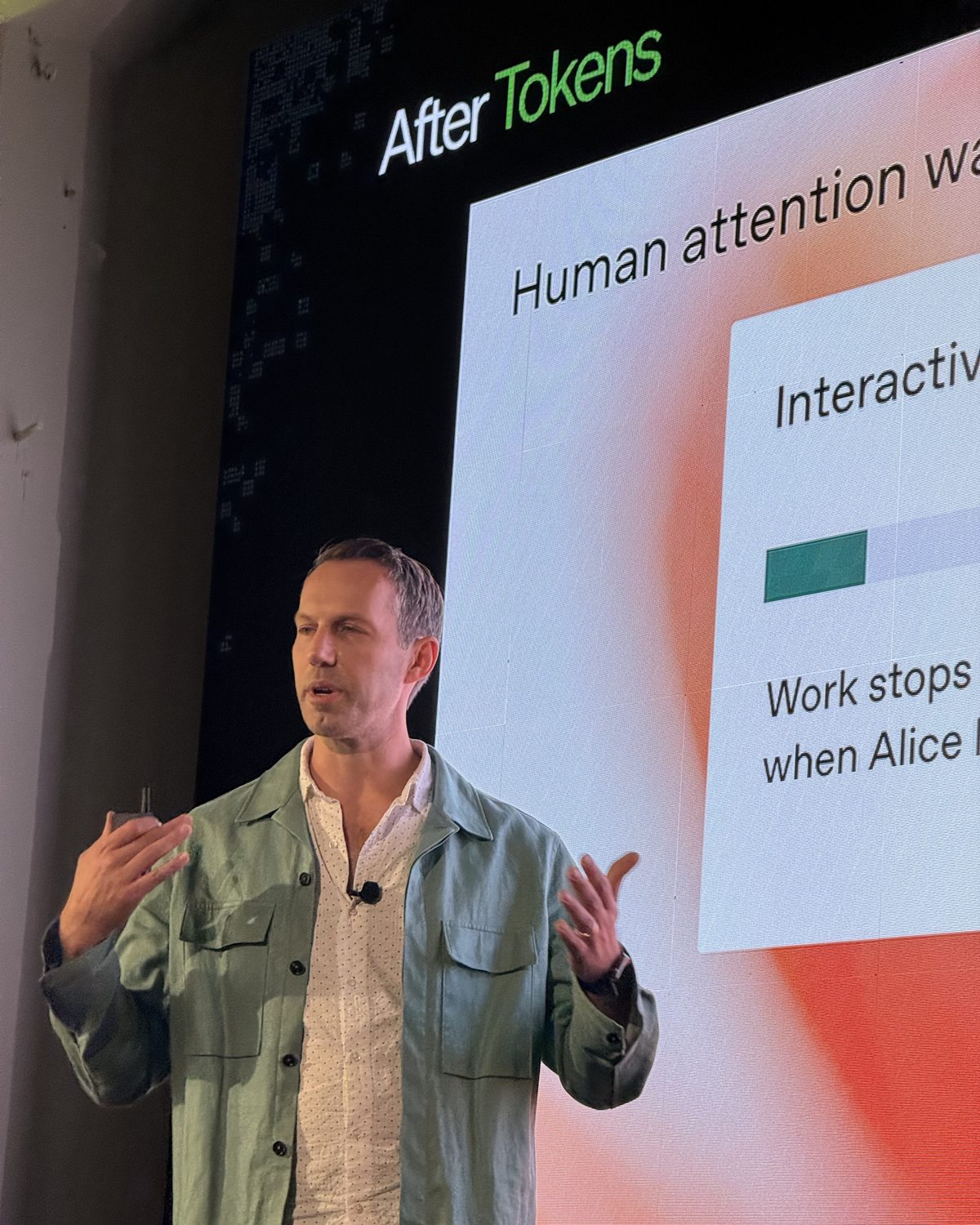
Then there's the work you hand off completely. Jonah told the story of Alice, who hands a bug fix to her agent at 11 PM and goes to bed. At 2:13 AM a test is still failing, and her quota and credits are gone. Decide upfront what a job is worth to you. And judge cost per task, not price per token: in his example, a model at $10 per million tokens finished a task 40% cheaper than one at $5, because it needed far fewer tokens.
All of that is about managing a bill someone else designed. The next view is from the other side, when you're the one designing it.
When you're building a product
This is where I spend most of my time, and where I think we skip the most steps.
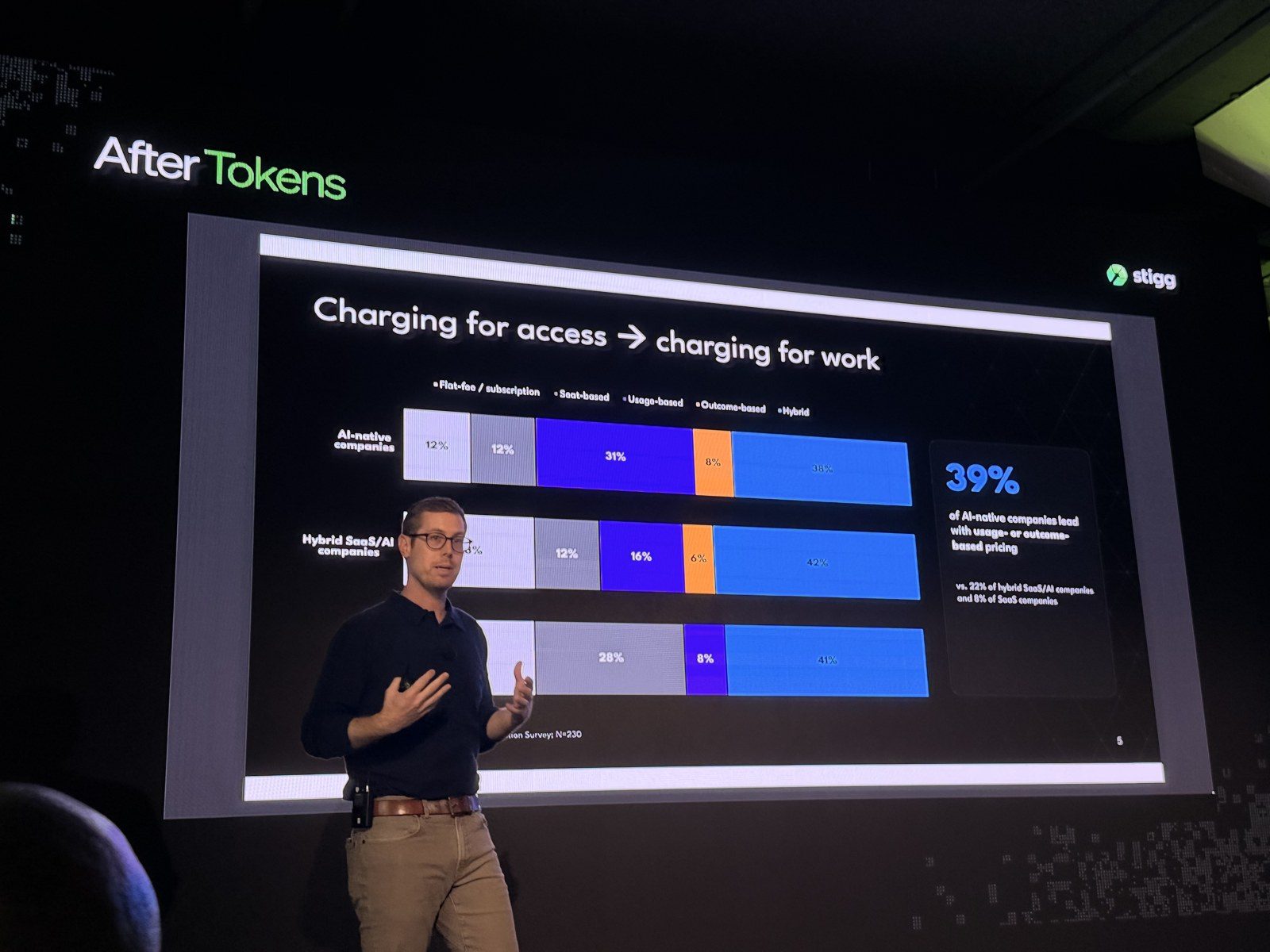
Price from day one, and design for change
"There is no silver bullet AI pricing model right now."
Kyle Poyar, Growth Unhinged
That's what the empty show of hands was about. Pricing used to last 18 to 24 months. Now it's often out of date in less than six. So the goal isn't the perfect price. It's a price you can change safely: versioned plans, early users kept on what they signed up for, and changes tested on new sign-ups first.
Your pricing page is a menu, and agents are reading it
"I don't really like anything on the menu, but I know what kind of sandwich I want. And I know you have all of these ingredients."
Jeffrey Goldberg, Platform Product Manager, Qlik
And people won't be the only ones reading your prices. Jeffrey's picture of what's coming: software turns into a restaurant for agents, and your pricing page is the menu board. Some agents order what's on it, some ask for an extra, and some want to build their own sandwich from your ingredients. That's why he changed his mind this year about charging for extras: "Now you do have to price the cheese."
Most pricing pages aren't ready for that. In Kyle Poyar's study of what AI chatbots say about software prices, the company's own pricing page was cited in 46% of answers, and cited first in only 12%.
Show the cost first, and never cut someone off halfway
"We always let you finish the turn irrespective of what it would in the end cost us."
Ali Abbas Rizvi, Gamma
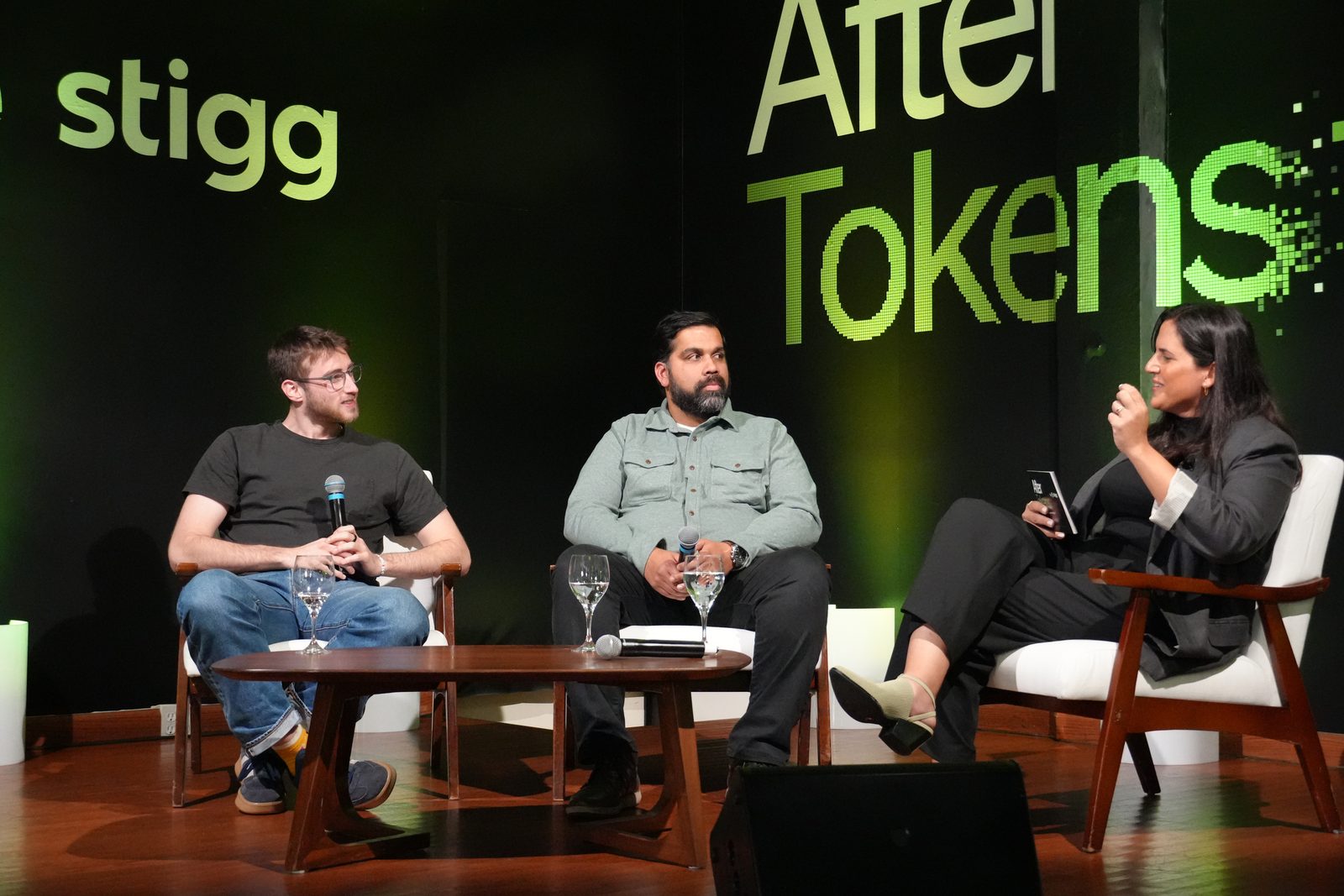
Once someone is inside your product, what matters is how the cost shows up. Gamma estimates what an agent turn will cost before it starts, and lets you finish even if your credits run out in the middle. Tomas Lorinc of Temporal put the same instinct into a rule: if customers can't see the unit you charge on, don't charge on it. Credits are product decisions too. Suno expires them every month to build a daily habit, and Gamma rolls them over because people make decks in bursts.
Those are decisions for one product. Now picture them across a whole company.
When you're bringing AI into a company
This is the view with the most at stake: teams rolling out AI to hundreds or thousands of people, with a finance team watching every line.
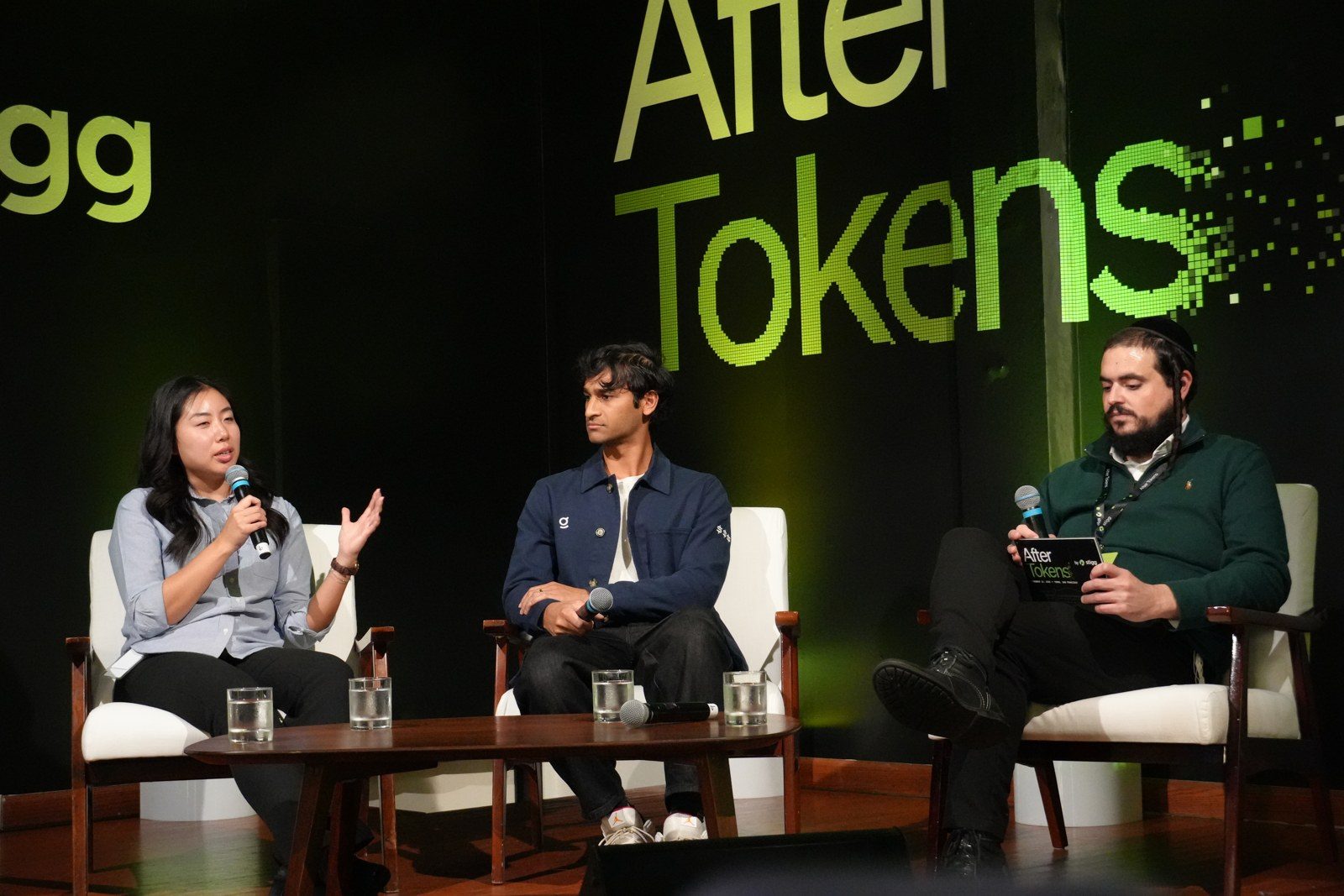
Deliver in order: visibility, limits, then routing
"A user who's hit, let's say, 90% of their usage on day 2 is very different from a user who hit 90% of their usage on day 30."
Kathleen Qin, Product Manager, Glean
Glean starts with visibility, because, in Kathleen's words, "you can't really predict anything without usage data." Then come limits, and then routing that steers people to cheaper models only when they're going too fast. Pace matters as much as the limit itself.
Separate the budget from the permission
"A budget for an agent and the permission on what it can buy are two different things."
Arjun Garg, Senior Engineering Manager, Intuit
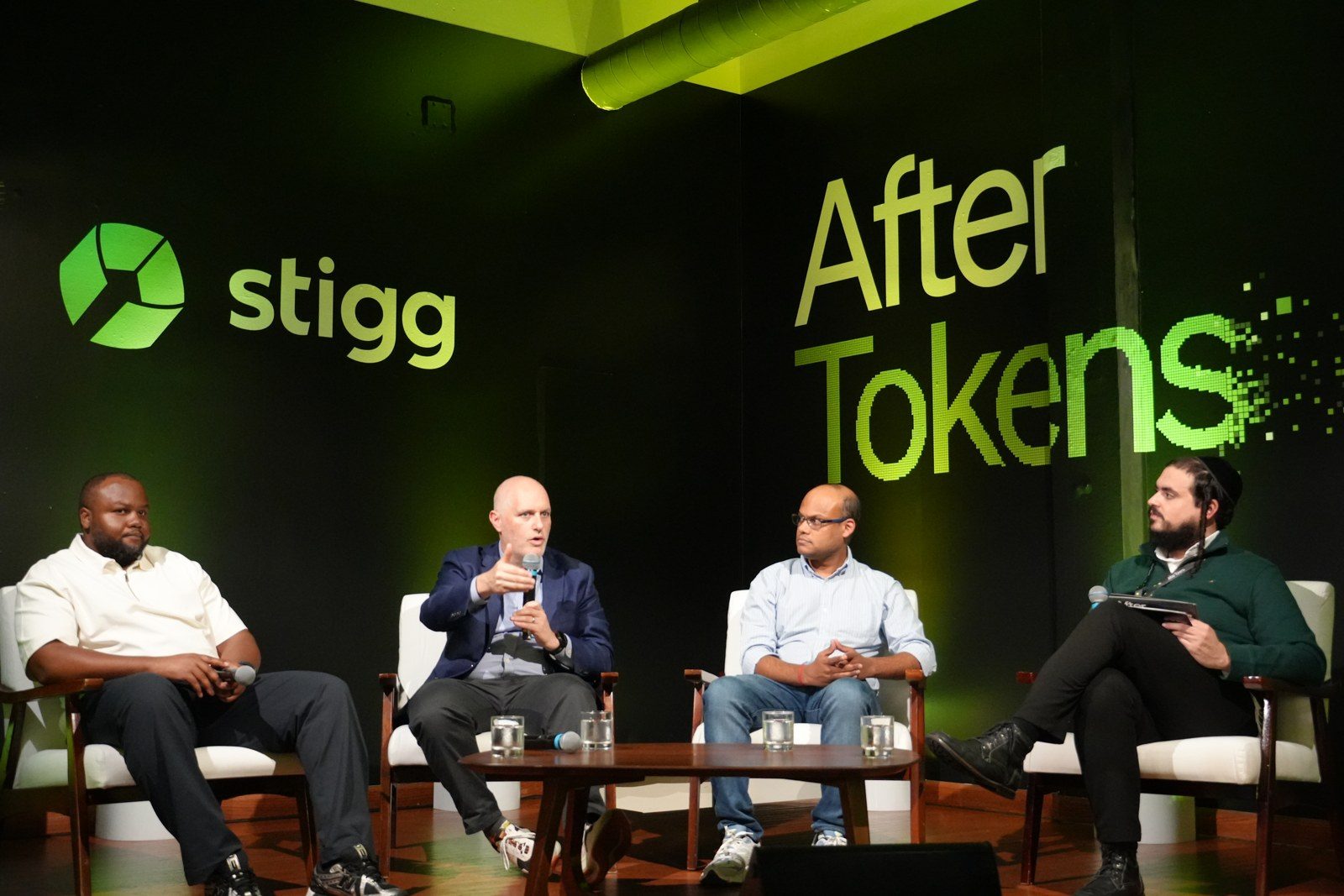
Limits are one half of it. The other half is what an agent is allowed to do with the money. An agent with $500 still needs rules: what it can buy, from whom, on what terms, and a person who can approve going over. Gabriel Manor of Stigg, who moderated that panel, closed it with a line I loved: "I feel like we have a lot to learn from parenting." An allowance, some rules, and someone who is still responsible.

Put cost and value in the same room
"I'm very much convinced that 2027 is the year that we can no longer treat them separately."
Dor Sasson, Co-founder and CEO, Stigg
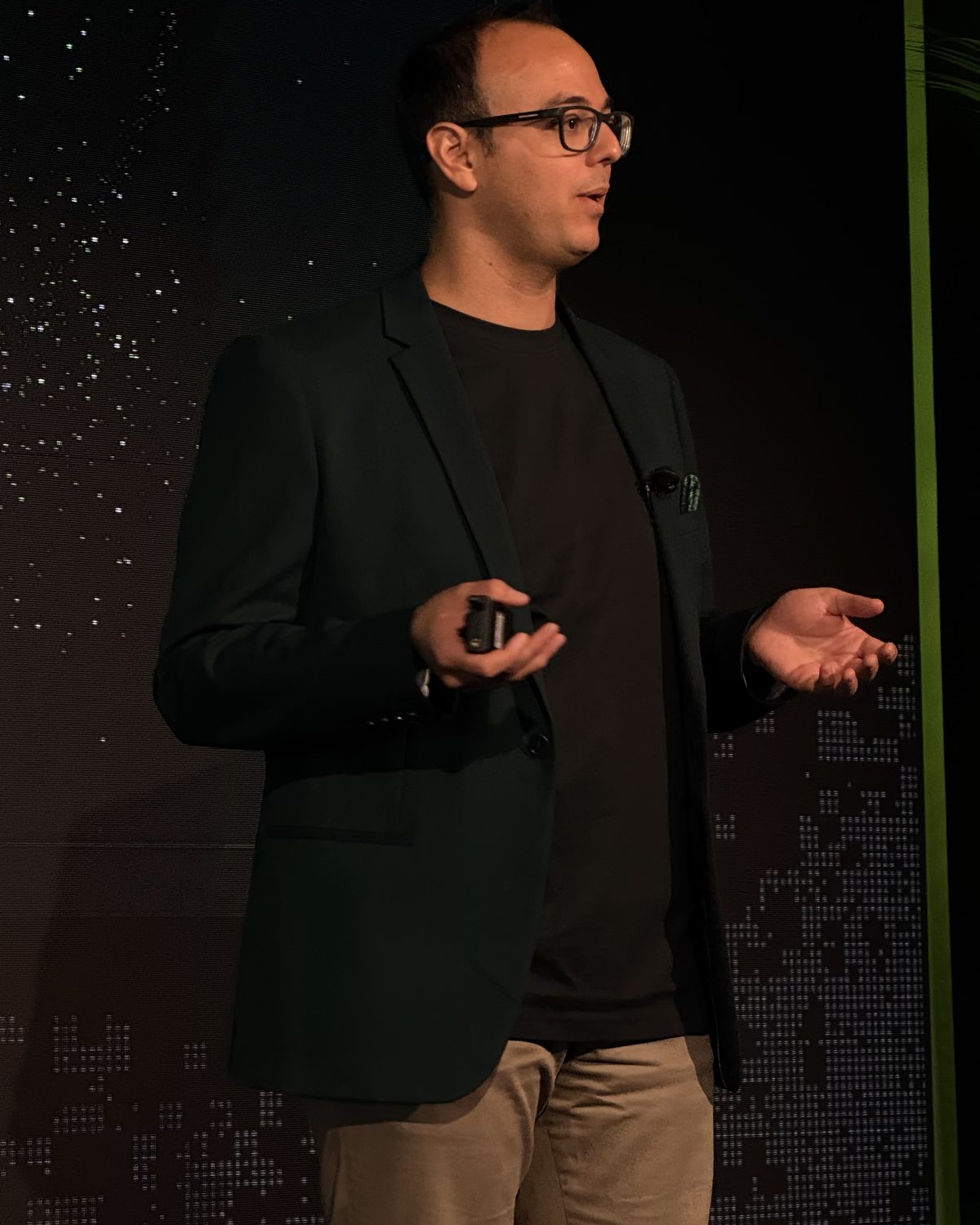
None of this works if cost and value live in different rooms, and in most companies they do: one team cuts costs, another captures value. Dor's bet is that the wall comes down next year: one shared metric, reviewed close to real time, not once a quarter.
Who owns all of this?
Spending, building, scaling. Three views, and one thread running through all of them: someone has to own the math. Stigg had a name for that someone before the first talk even started.
At the door, they handed us a newspaper, The Financial Engineer, with a front page by Stigg's CTO, Anton Zagrebelny: "Monetization Is Dead, Long Live Financial Engineering." His point: "Coding agents didn't make engineers obsolete. They made domain knowledge the scarce resource, and created a new discipline around the systems that turn software into revenue."

He calls the people who do that work Financial Engineers, someone who "owns the full lifecycle of how software turns into revenue. From the moment a customer signs up to the moment an invoice gets paid." Companies like OpenAI and Anthropic have already built dedicated teams around it. And if you build with AI, part of that job is already yours.
Pricing is part of the product
So, back to Kyle's show of hands. If he asked again tomorrow, my hand would still stay down. The difference is that now I know which questions to ask first.
Until now, my math started with competitors and my own bill. After a day in that room, it starts right next to the idea, with three questions. What does one finished task cost me, not one token? What budget does each agent get before I hand it the work? And can I change the price later without breaking it for the people already paying?
The bill doesn't stop when I close my laptop. My agents keep working, spending with my permission and in my name. The meter can run on its own. The decisions behind it still need a person.
Huge thanks to Dor, Gabriel, Sara, Mor and the whole Stigg team for having me in the room. What a day.
And if you're building with AI too, I'd love to hear how you're doing the math on yours.
This piece first ran in Carol Ships, my newsletter on LinkedIn.
Reader margin
What stayed with you?
Leave one small mark in the margin.
Notes from readers
The margin is open. You can leave the first note.
Stuck with something like this? I fix it daily → Services